
Career Paths in Architecture: Building Your Future
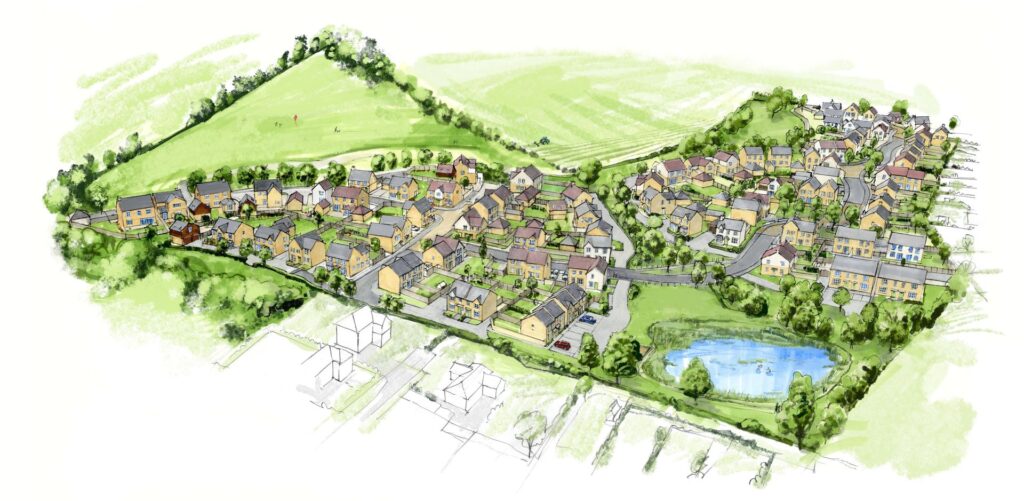
The field of architecture offers a unique blend of creativity, technical skill, and a passion for improving the built environment. If you’re considering a career in architecture, you’re likely curious about the various paths you can take and the educational requirements needed to succeed. This blog will guide you through the different career opportunities within architecture and the university courses that can help you get there.
Why Choose a Career in Architecture?
Architecture is more than just designing buildings; it’s about creating spaces that enhance the quality of life. Architects play a crucial role in shaping our environment, whether through designing sustainable buildings, preserving historical landmarks, or creating innovative public spaces.
Career Paths in Architecture
- Architect
- Role: Design and oversee the construction of buildings and structures.
- Skills: Creativity, technical drawing, project management, knowledge of building codes.
- Education: Bachelor’s and Master’s degrees in Architecture, followed by licensure.
- Landscape Architect
- Role: Design outdoor areas, including parks, gardens, and campuses.
- Skills: Landscape design, environmental sustainability, urban planning.
- Education: Bachelor’s or Master’s degree in Landscape Architecture.
- Urban Planner
- Role: Develop plans and programs for land use in urban areas.
- Skills: Urban design, public policy, environmental planning, community engagement.
- Education: Bachelor’s degree in Urban Planning or related field, often followed by a Master’s degree.
- Interior Designer
- Role: Plan and design interior spaces for functionality and aesthetics.
- Skills: Space planning, color theory, materials, and finishes.
- Education: Bachelor’s degree in Interior Design or Architecture.
- Architectural Technologist
- Role: Specialise in the technical aspects of building design and construction.
- Skills: Building technology, construction methods, computer-aided design (CAD).
- Education: Bachelor’s degree in Architectural Technology or related field.
- Historic Preservationist
- Role: Preserve and restore historical buildings and sites.
- Skills: Conservation techniques, historical research, architectural history.
- Education: Bachelor’s degree in Architecture or History, often followed by a Master’s in Historic Preservation.

University Courses for Aspiring Architects
Choosing the right university and courses is a crucial step towards a successful career in architecture. Here are some key courses you should consider:
1. University College London (UCL) – The Bartlett School of Architecture
Architecture Courses:
- Bachelor of Architecture (BSc Architecture)
- Duration: 3 years
- Curriculum: Focuses on architectural history, theory, and design. Includes studio work and hands-on projects.
- Master of Architecture (MArch)
- Duration: 2 years
- Curriculum: Advanced design studios, urban design, digital design technologies. Requires a final design project or dissertation.
Interior Design Courses:
- MA in Interior Design
- Duration: 1 year
- Curriculum: Focuses on spatial design, furniture design, material innovation. Includes studio practice and research projects.
2. University of Cambridge – Department of Architecture
Architecture Courses:
- Bachelor of Arts (BA) in Architecture
- Duration: 3 years
- Curriculum: Combines art and science of architecture. Includes design studios, technical workshops, and history/theory courses.
- Master of Philosophy (MPhil) in Architecture and Urban Design
- Duration: 1 year
- Curriculum: Research-intensive course focusing on urban design, sustainability, and architectural theory.
Interior Design Courses:
- While Cambridge does not offer a specific interior design program, its architecture courses provide a strong foundation in spatial and interior design principles.
3. University of Edinburgh – Edinburgh College of Art
Architecture Courses:
- Bachelor of Arts (BA) in Architecture
- Duration: 4 years
- Curriculum: Emphasises design, sustainability, and technology. Includes studio work, field trips, and a dissertation.
- Master of Architecture (MArch)
- Duration: 2 years
- Curriculum: Focuses on advanced design, urbanism, and critical theory. Includes a design thesis project.
Interior Design Courses:
- BA (Hons) Interior Design
- Duration: 4 years
- Curriculum: Covers spatial design, materials, lighting, and furniture design. Includes studio projects and industry placements.
4. University of the Arts London (UAL) – Central Saint Martins
Architecture Courses:
- BA (Hons) Architecture
- Duration: 3 years
- Curriculum: Focuses on design, history/theory, and technology. Includes practical studio work and collaborative projects.
Interior Design Courses:
- BA (Hons) Interior Design
- Duration: 3 years
- Curriculum: Emphasises conceptual design, materiality, and space planning. Includes studio projects and industry collaborations.
5. Manchester School of Architecture (MSA)
Architecture Courses:
- Bachelor of Architecture (BA Architecture)
- Duration: 3 years
- Curriculum: Integrates design, technology, and professional practice. Includes studio work, technical studies, and history/theory.
- Master of Architecture (MArch)
- Duration: 2 years
- Curriculum: Advanced design studios, urban design, and research methods. Culminates in a design thesis.
Interior Design Courses:
- MA Architecture and Urbanism
- Duration: 1 year
- Curriculum: Focuses on urban design, architecture, and spatial strategies. Includes design studios and research projects.
6. Royal College of Art (RCA)
Architecture Courses:
- MA Architecture
- Duration: 2 years
- Curriculum: Emphasises experimental design, critical theory, and technology. Includes studio work and a thesis project.
Interior Design Courses:
Curriculum: Focuses on spatial design, user experience, and innovation. Includes studio projects, workshops, and a final project.
MA Interior Design
Duration: 2 years