
Unveiling the Past: A Deep Dive into Architecture and Historical Buildings
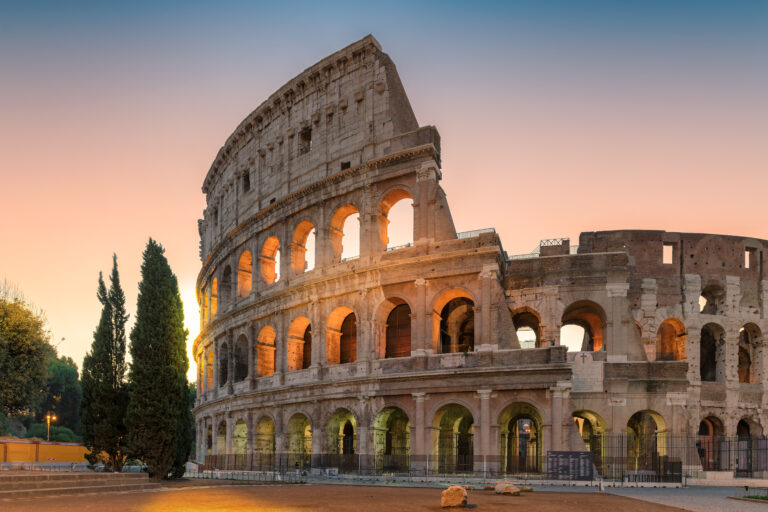
Architecture, the art and science of designing and building, transcends the mere creation of structures. It’s a language, a symphony of form and function, weaving narratives through brick and mortar. Historical buildings, in particular, stand as tangible testaments to bygone eras, whispering tales of the people who built them and the lives lived within their walls.
Exploring these architectural gems is akin to embarking on a time travel adventure. Imagine standing in the shadow of the colossal pyramids of Giza, marvelling at the ingenuity of ancient civilisations who, without modern technology, erected these enduring monuments. Or, feel the weight of history while gazing upon the intricate details of the Taj Mahal, a breathtaking testament to love that continues to inspire awe centuries after its creation. Each structure, from the humble stone cottage to the towering Gothic cathedral, tells a unique story, waiting to be deciphered.
Beyond Aesthetics: Delving into the Significance of Historical Buildings
The value of historical buildings extends far beyond their aesthetic appeal. They serve as:
- Tangible links to the past: These structures provide a crucial physical connection to the lives and experiences of those who came before us. By studying their design, materials, and construction techniques, we gain invaluable insights into past societies. We learn about their values, technological advancements, and the challenges they faced. Historical buildings offer a window into the social, political, and economic landscapes of different eras, enriching our understanding of the human experience.
- Cultural repositories: Often acting as guardians of the past, historical buildings house precious artifacts, artwork, and documents. These treasures offer valuable glimpses into the cultural heritage of a place, allowing us to appreciate the artistic expressions, traditions, and beliefs that shaped different civilisations. By preserving these cultural repositories, we safeguard our collective identity and ensure that these invaluable pieces of history are not lost to the sands of time.
- Community hubs: Many historical buildings are not merely relics of the past; they are actively woven into the fabric of contemporary life. Through thoughtful repurposing, these structures find new life as museums, libraries, or even community centers. This integration into modern life fosters a sense of place and belonging. Historical buildings serve as reminders of our shared past, creating a sense of community and offering spaces for social interaction and cultural engagement.
The Delicate Dance: Balancing Preservation and Modernisation
However, the very elements that make historical buildings significant also pose challenges. Preservation efforts require careful consideration of several factors:
- Balancing conservation and modernization: Often, the needs of modern use necessitate modifications. Finding the right balance between preserving the historical character and adapting the structure for contemporary functionality is crucial. Striking this delicate balance can be achieved through creative solutions, such as utilising new technologies for climate control while maintaining the original architectural features. Collaborative efforts between architects, historians, and community members are essential in navigating this complex relationship.
- Securing funding: Maintaining and restoring historical buildings is an ongoing endeavor that requires significant financial resources. Striking a balance between public and private funding is essential. Advocating for the cultural and economic benefits of preservation can attract private investment while raising awareness and inspiring public support. Additionally, exploring innovative funding models, such as tax credits and partnerships with non-profit organisations, can help bridge the funding gap.
Looking Forward: The Future of Historical Buildings in our Evolving World
As we move forward, it is crucial to recognise the importance of safeguarding our architectural heritage. These irreplaceable structures are not only testaments to the past but also offer valuable lessons for the future. By fostering a sense of appreciation for historical buildings, supporting ongoing preservation efforts, and finding innovative ways to integrate them into our evolving landscapes, we ensure that these silent storytellers continue to captivate and inspire future generations.
Furthermore, appreciating historical buildings encourages sustainable practices. By learning from traditional construction techniques and utilising salvaged materials from historical structures in new projects, we can reduce our environmental impact and promote sustainable development.
Ultimately, historical buildings are not merely bricks and mortar; they are living testaments to human ingenuity, cultural richness, and the enduring spirit of the past. By preserving these invaluable structures, we not only honor our ancestors but also create a richer tapestry for future generations, ensuring that the stories of the past continue to be told for years to come.